In August, I was fortunate enough to realise a dream and visit the Arctic Circle.
I travelled to Svalbard as a guest of Polar Quest, and found myself immersed in ice, glaciers, and a whole new perspective on both the environment and on business.
Let me explain.
Lesson 1: Adapt or disappear
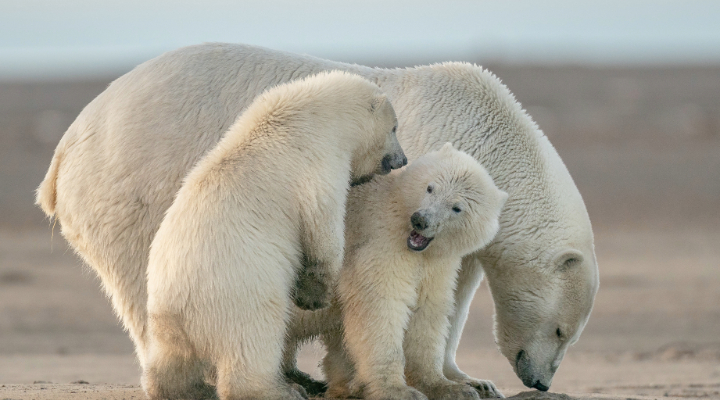
Yes, I did see Polar bears. The excitement of seeing these magnificent animals in the wild is beyond description. To me, polar bears are the ultimate case study in adaptation. They’re huge, and really shouldn’t be in that isolated, frozen place. They’ve evolved to survive in one of the harshest environments on earth. They are solitary creatures, hungry, and floating on melting sea ice. But as the ice vanishes faster each year, the bears are being forced to hunt on land, swim further, and rethink how they find food.
Sound familiar?
Markets shift. Customer behaviour changes. Climate, politics, technology. They all move. What worked five years ago may not work now, or it might work now but not next quarter. So, just like the polar bear, small-business owners and managers don’t have the luxury of standing still.
Adaptability isn’t a bonus trait anymore. It’s the cost of entry.
Lesson 2: Energy is everything
Out in the Arctic, there’s no room for wasted energy. A polar bear will wait silently at a seal’s breathing hole for hours, or even days, conserving energy and striking only when the odds are high.
That’s not laziness. That’s strategy.
In business, too many of us chase every opportunity (shiny object syndrome), run after every trend, and exhaust ourselves on things that deliver very little. I can put my own hand up here. I don’t like leaving opportunities un-investigated – sometimes to my detriment. Energy is a resource, particularly for for small-business owners who already fill so many roles. We are, all at once, the owner, manager, finance director, HR director, operations manager, mum, dad, launderer of the Under 9 footy jerseys after the weekend – and so much more. We can’t afford to chase everything. We need to be deliberate, targeted, and prepared to wait for the REAL opportunities like a polar bear.
Lesson 3: Patience pays (but so does timing)
One of our guides shared a story of a bear who waited 36 hours in one position before making a successful catch. That’s patience most of us can barely imagine let alone emulate. But when the opportunity came, the bear didn’t hesitate.
That’s the art: strategic patience.
In business, that means preparing while others panic. Lining up your marketing before you launch. Strengthening supplier relationships before a disruption. Keeping your eyes open while you wait for the breathing hole to bubble. Having your physical premises protected.
And the big one? It’s all about direction.
In the Arctic, heading in the wrong direction even by a single degree can mean crashing into danger, or perhaps ending up in Russia. It’s not about speed. It’s about being pointed the right way.
The same goes for us.
In business, clarity of direction beats intensity every time. I came back with a renewed respect for the creatures of the Arctic – the polar bears, walruses, bearded seals, reindeer, and all the millions of birds – and a much keener awareness of how we, as small-business owners, can thrive in our own shifting landscapes
Nature thrives through adaptability — and so do businesses. For more insights on sustainable strategy, see Small Business, Big Impact.
This post first appeared on https://insidesmallbusiness.com.au on October 30, 2025